Dual Diagnosis Explained: Treating Addiction and Mental Illness Together
- Collective Care

- Dec 26, 2025
- 3 min read
By Collective Care Centre, Pune
Addiction rarely exists in isolation. Many individuals struggling with substance use also face underlying mental health conditions such as anxiety, depression, trauma-related disorders, or mood disturbances. This complex overlap is known as dual diagnosis—the co-occurrence of a substance use disorder and a mental illness. At Collective Care Centre Pune, we believe that treating both conditions together is not just effective, but essential for long-term recovery.
Understanding Dual Diagnosis
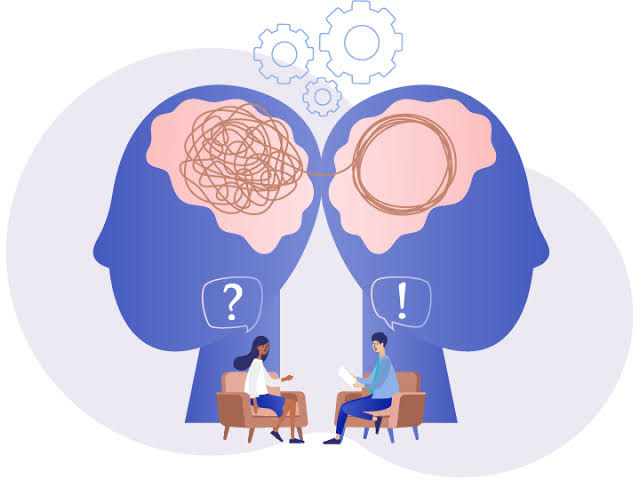
Dual diagnosis occurs when mental health challenges and substance use disorders reinforce each other. Anxiety or depression may lead a person to self-medicate with alcohol or drugs, while long-term substance use can worsen psychological symptoms by altering brain chemistry, emotional regulation, and stress response systems. Treating only one condition often results in relapse, incomplete recovery, or chronic distress.
Why Integrated Treatment Matters
Traditional addiction treatment models focused solely on detoxification or abstinence often overlook emotional pain, trauma, or psychiatric symptoms. Similarly, treating mental illness without addressing substance use limits progress. Integrated dual diagnosis care addresses both simultaneously, allowing the brain and mind to heal together. This approach improves treatment engagement, emotional stability, and relapse prevention outcomes.
Dual Diagnosis Care at Collective Care Centre Pune
As a psychiatric and therapeutic rehab centre, Collective Care Centre Pune offers comprehensive, evidence-based care tailored to individuals with co-occurring conditions. Our multidisciplinary team includes psychiatrists, clinical psychologists, addiction counselors, and wellness professionals who collaborate to design personalised treatment plans.
Treatment for Anxiety, Depression, and Substance Use
Clients receive structured psychological therapies such as cognitive-behavioural therapy (CBT), motivational interviewing, and supportive psychotherapy alongside medical management when needed. Psychiatric evaluation ensures that conditions like anxiety and depression are accurately diagnosed and treated without compromising recovery from substance use.
Trauma-Informed Rehab Programs
Many individuals with addiction histories have experienced emotional, physical, or psychological trauma. Our trauma-informed rehab programs create a safe, non-judgmental environment where clients can process trauma at their own pace. Therapy focuses on emotional regulation, self-compassion, and rebuilding a sense of safety, reducing the urge to rely on substances for relief.
Holistic Rehabilitation with Yoga and Meditation
Healing extends beyond talk therapy. Collective Care integrates holistic rehabilitation with yoga and meditation to restore mind–body balance. These practices improve emotional awareness, reduce stress hormones, enhance sleep quality, and support neuroplastic recovery—helping clients reconnect with their bodies in healthy, grounded ways.
12-Step Recovery Program in India
For those who resonate with peer-supported recovery, we incorporate the 12-step recovery program in India as part of a broader therapeutic framework. This encourages accountability, humility, and connection while reinforcing long-term sobriety through shared experience and structured reflection.
Relapse Prevention Support Group – Pune
Recovery is a lifelong process. Our relapse prevention support group in Pune equips clients with coping skills, craving management strategies, and emotional insight. Group therapy fosters belonging and reduces isolation—one of the strongest predictors of relapse in dual diagnosis cases.
Rehabilitation for Professionals and Working Adults
Collective Care Centre Pune offers discreet, flexible programs designed for professionals and working adults. These plans respect career responsibilities while addressing burnout, high stress, and performance-related anxiety that often contribute to substance use.
A Leading Dual Diagnosis Treatment Centre in India
As a trusted dual diagnosis treatment centre in India, Collective Care Centre Pune focuses on long-term recovery, not short-term fixes. By addressing addiction and mental illness together—medically, psychologically, and holistically—we help individuals regain emotional stability, purpose, and control over their lives.
Conclusion
Dual diagnosis requires depth, compassion, and clinical expertise. At Collective Care Centre Pune, recovery is not just about stopping substance use—it’s about healing the whole person. When mental health and addiction are treated together, lasting recovery becomes possible.